Taiwan regional media hype annual Han Kuang drills; mainland expert dismisses these unrealistic tactical gambits as mere ‘performance’
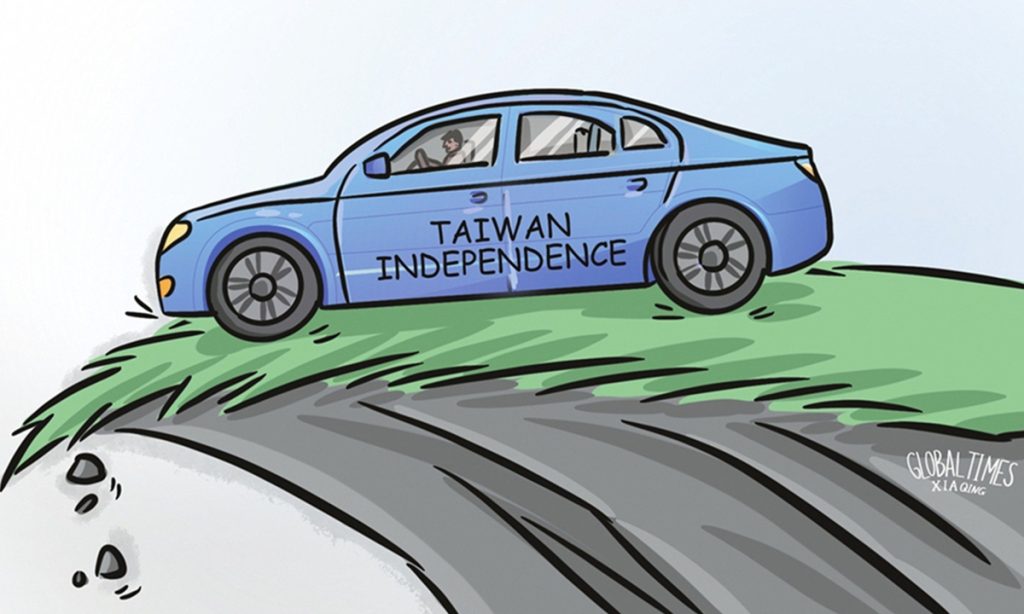
The annual Han Kuang military drills of the Taiwan region are set to kick off on Wednesday, with certain media of the island hyping up highlights that they claimed as "the first time."  Yet a mainland military affairs expert said the unrealistic gambits of Taiwan's regional authorities are pursued unscrupulously with blatant disregard for local residents' livelihoods, and such tactics are entirely futile.

The drills, running for 10 days and nine nights, are divided into phases including combat readiness deployment, force protection and preservation, joint anti-landing operations, in-depth defense, and protracted warfare, according to the region's media CNA on Sunday.

As one of the hyped highlights, Taiwan's media outlet United Daily News reported on Saturday that the live-fire drills will, for the first time, conduct an obstacle emplacement exercise at the critical node of the Danjiang Bridge.

The report also noted that with the first batch of M1A2T tanks commissioned last October, this year's drills mark the first time for the tanks to be officially incorporated into the defense combat plan. They will be used to validate in-depth defense and anti-landing operations.

Also, in the Urban Resilience Exercises, a simulation of a major slowdown in mobile internet speeds has been included for the first time, according to CNA. During the air raid drills on August 10 and on August 13 in some regions, mobile networks in the exercise areas will be slowed down for 30 minutes. 

When asked to comment on some voices in public opinion saying authorities are hyping up the "mainland threat" and stoking anti-mainland sentiment under the guise of the military drills, Jiang Bin, a spokesperson for the Ministry of National Defense, said on July 30 that the Democratic Progressive Party (DPP) authorities, driven by partisan self-interest, squander financial and civilian resources on reckless military posturing.

By incessantly stoking war anxiety and provoking cross-Straits confrontation and hostility, they attempt to drag Taiwan's general public onto the chariot of "Taiwan independence." Their doomed fate is nothing but the total failure and collapse of the separatist "Taiwan independence" agenda, Jiang said.

In terms of practicality, Song Zhongping, a mainland military affairs expert told the Global Times on Sunday that it is not feasible to halt the PLA's military operations relying merely on a single type of combat force, as individual combat components are incapable of countering a full-fledged operational system.

Described as "unrealistic," Song said the Taiwan regional authorities should not expect that a small number of advanced weapons could serve as an effective deterrent against the PLA's military operations. In addition, the weaponry supplied by the US to the Taiwan region does not represent its most sophisticated military equipment. Such hardware will face immense suppression within a systematic combat framework and struggle to deliver effective countermeasures. 

A scene from the promotional documentary "Zhisheng" (Victory), released in celebration of China's Army Day in 2026, unveiled new footage including the launch of tactical missiles from the Type 191 long-range rocket artillery, the firing of decoy flares from the Type 076 amphibious assault ship and live-fire strikes by the KVD002 reconnaissance-strike integrated unmanned aerial vehicle.

The DPP authorities attempt to obstruct national reunification and pursue the scheme of resisting reunification by force of arms. They act unscrupulously with total disregard for the livelihood of people on the island. Fundamentally, such practices are utterly futile and amount to nothing more than mere performances, Song added.

Regarding the military drills and the potential countermeasures from the Chinese mainland, Jiang stated on July 30 that no matter how the DPP authorities conduct such drills, they are doomed to fail in their pursuit of "Taiwan independence".
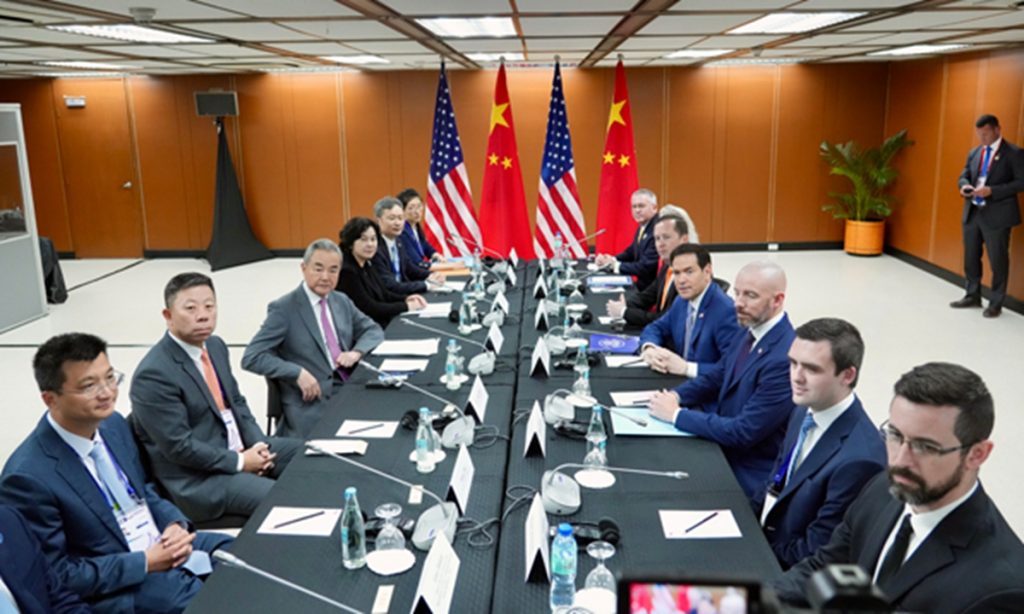
China, US agree to make good preparations for next stage of high-level exchanges as Wang Yi meets Rubio in Manila

A new drug jointly developed and submitted for marketing approval globally in China, the US, Japan and other countries, has been approved for market launch in China first, and can be used for patients of "sudden sleep attacks," China Central Television(CCTV) News reported Tuesday, citing National Medical Products Administration. 

The orexin 2 receptor selective agonist, using new target and mechanism, is designed for type 1 narcolepsy patients aged 16 and above.  

The approval marks a breakthrough for China in the global development of innovative drugs, from original target discovery and simultaneous international multi-center clinical trials to regulatory approval and market launch, CCTV News reported.

Narcolepsy is a chronic rare neurological disorder classified into two types. Its main symptom is uncontrollable sleepiness, with patients suddenly falling asleep while talking, eating or chatting. As a 24-hour sleep disorder, type 1 narcolepsy patients may also experience sudden loss of muscle control, known as cataplexy.

The disease has been included in China's second national list of rare diseases, with an estimated global prevalence of about 4 in 10,000. Adolescents and children account for a relatively large proportion of patients, and the disease, often accompanied by multiple complications, can severely affect their study, work and daily life.

Experts said existing treatments for this rare 24-hour sleep disorder mainly focus on relieving symptoms, while new therapies targeting the causes of the disease are urgently needed. Currently approved drugs worldwide have limitations, including limited efficacy and potential risks such as chronic organ damage, psychological or physical drug dependence, and cognitive decline, according to the CCTV News.

The newly approved innovative drug underwent global multi-center clinical trials involving participants from 19 countries and regions, including adolescent patients. Clinical data showed that the drug can improve core symptoms of the disease and is expected to become a first-line treatment option in the future.

China unveils TCM development plan for 15th Five-Year Plan period; experts foresee global greater expanded access to quality TCM services

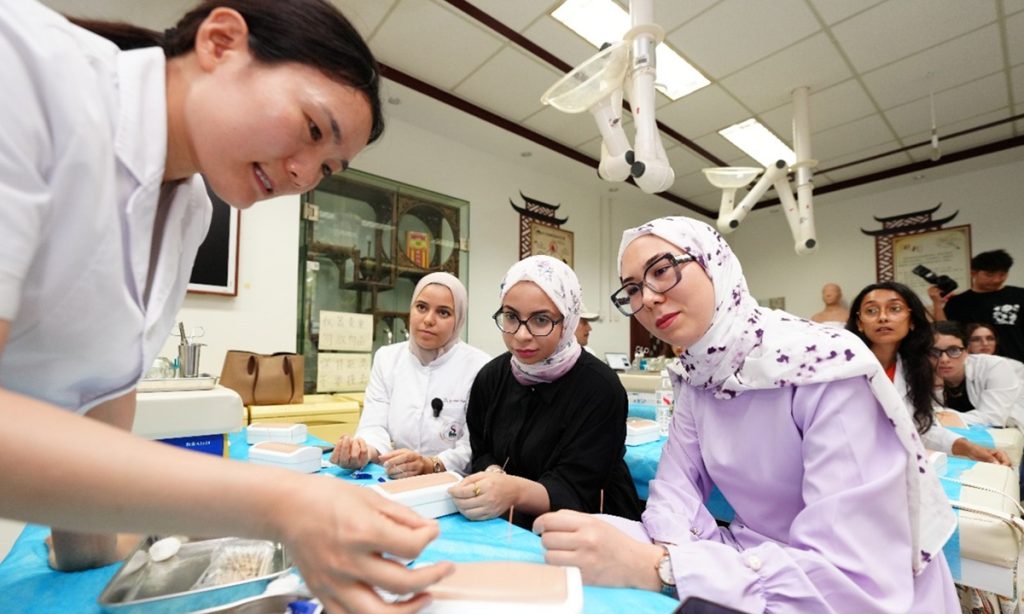
China on Thursday released a new plan for the high-quality development of traditional Chinese medicine (TCM) during the 15th Five-Year Plan (2026-30) period, a move that an expert said will accelerate the modernization and global expansion of TCM while giving overseas patients and international visitors greater access to more standardized, higher-quality services. 

The plan comes as China's TCM sector continues to expand. According to a report by The Paper, TCM institutions recorded 1.82 billion patient visits in 2025. Public TCM hospitals provided 0.82 beds per 1,000 people, county-level TCM medical institutions had achieved near-universal coverage, and 96.26 percent of secondary and tertiary public general hospitals had established TCM clinical departments.

The plan will follow the principles and distinctive characteristics of TCM, improve mechanisms for its inheritance and innovation, accelerate its modernization, and promote its development globally, providing strong support for achieving decisive progress in the Healthy China initiative during 2026-30, CCTV reported. 

As international interest in TCM continues to grow, a Beijing-based expat told the Global Times that the plan could give fresh momentum to the sector, encouraging more foreigners to visit China for firsthand TCM experiences while also expanding access through greater international cooperation and overseas TCM exchange centers.

Brad, an expat living in Beijing, described TCM as "a big cultural asset with real global demand." He said China is already a global leader in TCM, and many of his friends and family members are interested in visiting the country not only for its food, culture and natural scenery, but also for firsthand TCM experiences. In his view, the new plan will further boost international confidence and interest in TCM, encouraging more people from overseas to explore it firsthand.

On the Chinese social media platform Xiaohongshu, also known as RedNote, many foreigners have shared their experiences of visiting TCM practitioners and receiving traditional treatments. One American user, Lucian George, wrote that TCM has always fascinated him because it is a medical practice that has been around for thousands of years. 

In his post, he documented the consultation process, during which the doctor checked his pulse and examined his physical appearance before administering acupuncture and cupping therapy. Describing the cupping cups as a "contraption" on his back, George said he felt deeply relaxed after the treatment.

While highlighting the plan's importance for the domestic healthcare system, Yang said it would also benefit international patients by making TCM services more standardized and accessible. He said China's integrated approach combining TCM and Western medicine represents a distinctive "China solution" in healthcare, with TCM offering unique advantages in treating chronic and complex diseases through both herbal medicine and non-drug therapies such as acupuncture, moxibustion and therapeutic manipulation.

The plan also calls for greater international cooperation and the establishment of more overseas TCM exchange centers. As the plan is implemented, Yang said, people overseas, including foreign patients and Chinese communities abroad, as well as international visitors to China, will have greater access to higher-quality TCM services.

According to CCTV, the plan aims to establish a more comprehensive TCM service system covering the entire population and all stages of life by 2030. It also sets goals of achieving new breakthroughs in the prevention and treatment of major diseases, improving grassroots TCM services, strengthening basic research, boosting innovation in the Chinese medicine industry, and further enhancing the global influence of TCM, with the ultimate goal of making TCM services more widely accessible.

The plan also serves as an important guide for grassroots hospitals and clinicians, particularly TCM practitioners. With the national blueprint in place, grassroots hospitals will be able to develop their own TCM development plans in line with national requirements while adapting them to local conditions, the Global Times learned from Yang Kexin, a vice president of Wangjing Hospital of the China Academy of Chinese Medical Sciences, on Thursday. 

Yang said that, from his perspective as a frontline clinician, three key themes stand out in the newly released TCM development plan: inheritance, innovation and scientific research.

16th China Airshow rescheduled to December 7-13 in Zhuhai, featuring multiple new equipment displays

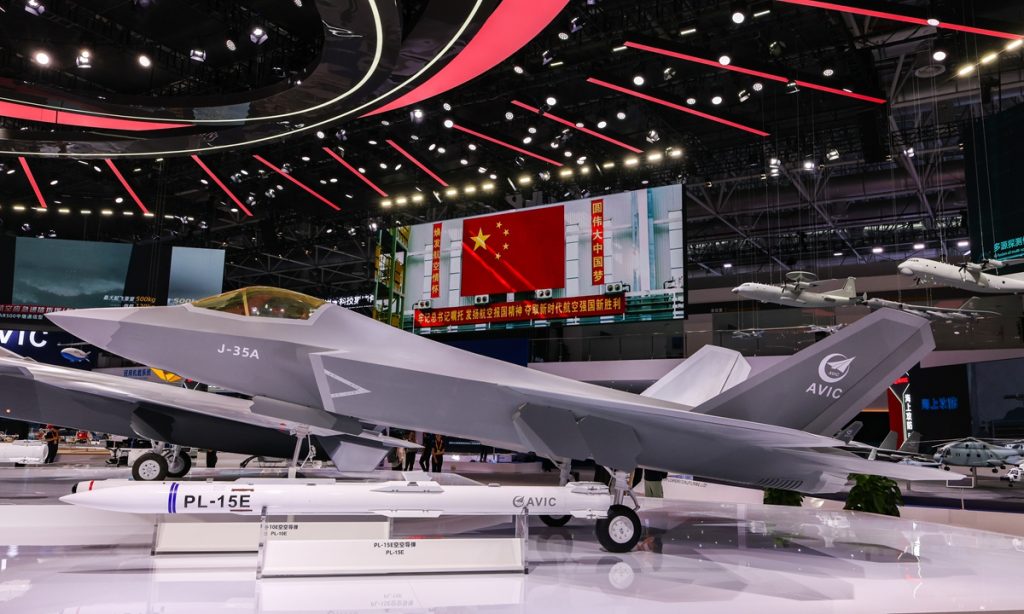
The 16th China International Aviation and Aerospace Exhibition, also known as Airshow China, will be held from December 7 to 13, 2026, in Zhuhai, South China's Guangdong Province, following relevant approvals, the Zhuhai Airshow Group Co Ltd said in an announcement on Friday.

This year's airshow coincides with the 30th anniversary of its founding, and will feature a concentrated array of new equipment and cutting-edge technologies from China's aerospace and defense sectors, while also drawing participation from numerous internationally renowned aviation companies, according to the CCTV News on Friday.

When the 15th China Airshow concluded in November 2024, PLA Daily, the official newspaper of the Chinese People's Liberation Army (PLA), reported that the 16th Airshow China would be held in Zhuhai from November 10 to 15, 2026.

China activates disaster relief emergency response for Guangdong

China's national commission for disaster prevention, reduction and relief on Sunday activated a Level-IV national disaster relief emergency response for south China's Guangdong Province after the region was severely affected by Typhoon Noul, the 12th typhoon of the year.

A working team has been dispatched to disaster-hit areas to assess the situation on the ground and guide and assist local authorities in the relocation and resettlement of affected residents and efforts to ensure their basic living needs.

Typhoon Noul made landfall in Guangdong on Sunday morning with maximum winds of Force 14 near its center. It has since weakened from a severe typhoon to a typhoon.

Xi calls for advancing Chinese modernization through sci-tech innovation

Chinese President Xi Jinping on Wednesday called for accelerated efforts to achieve high-level self-reliance and strength in science and technology, and leverage sci-tech innovation to underpin and drive Chinese modernization.

Xi, also general secretary of the Communist Party of China Central Committee and chairman of the Central Military Commission, made the remarks at a meeting in Beijing that brought together the national science and technology award conference, the general assemblies of the members of the Chinese Academy of Sciences (CAS) and the Chinese Academy of Engineering (CAE), and the 11th national congress of the China Association for Science and Technology.

He said the 15th Five-Year Plan period (2026-2030) is a critical phase for tackling tough challenges in building up the country's strength in science and technology.

"We must seize the historic opportunity, rise to the challenges of the times, accelerate efforts to achieve high-level self-reliance and strength in science and technology, and make steady progress toward the 2035 goal of becoming a leading country in science and technology," he said.

At the meeting, Xi presented China's top sci-tech award for the year 2025 to Chen Liquan, a researcher at the Institute of Physics under the CAS and a CAE academician, and Ben De, a researcher at the China Electronics Technology Group Corporation and also a CAE academician. After presenting the medals and certificates to the two scientists, Xi shook hands with them and extended his congratulations.

Xi and other Party and state leaders, together with the two top-award winners, presented certificates to representatives of recipients of other awards, including the State Natural Science Award, the State Technological Invention Award, and the State Scientific and Technological Progress Award.

China raises national disaster response level for flood-hit Guangxi

China's national commission for disaster prevention, reduction and relief on Thursday raised its national disaster response level to Level III in response to severe flooding in the cities of Nanning and Guigang in south China's Guangxi Zhuang Autonomous Region.

A joint working team comprising officials from relevant departments has been dispatched to the disaster-hit areas to inspect the situation and assist local authorities in resettling affected residents and carrying out post-disaster recovery efforts, according to the Ministry of Emergency Management.

Floods triggered recently by rounds of torrential rains have left 39 people dead and nine reportedly missing in Guangxi, local authorities said on Thursday.

New footage offers full view of China’s Type 076 amphibious assault ship Sichuan; delivery expected soon: expert

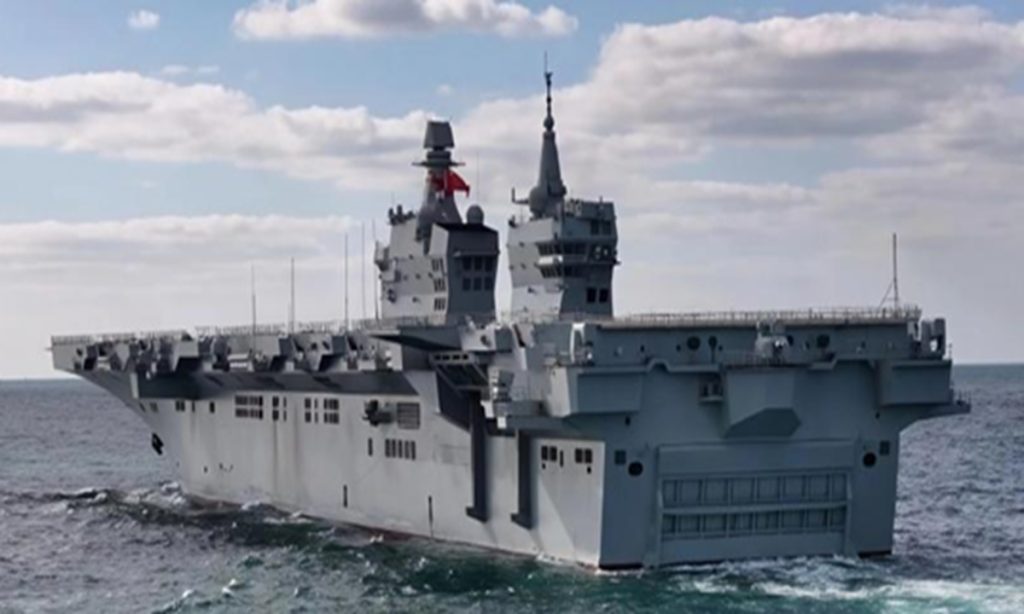
A widely circulated video on social media has offered a full view of China's new Type 076 amphibious assault ship Sichuan, showing work on its electromagnetic catapult, arresting gear and flight-deck markings has been completed. A Chinese expert told the Global Times that construction of the Sichuan and its overall outfitting process have progressed rapidly, and the vessel is expected to be delivered soon in the near future.

The video, which was published by china.cnr.com, opens with an aerial view of the Sichuan's entire flight deck. The massive vessel, with a full-load displacement of more than 40,000 tons, features a twin-island superstructure and a full-length flight deck. All deck markings have been completed, while its electromagnetic catapult and arresting gear are already in place.

Song Zhongping, a military affairs expert, told the Global Times on Friday that the Sichuan's construction and overall development have advanced rapidly, and its delivery is not far off. He attributed the accelerated progress to China's accumulated technological expertise and operational experience from the Type 075 amphibious assault ships and the electromagnetic catapult system aboard the country's third aircraft carrier, the Fujian

By combining the strengths of both platforms and drawing on extensive experience in operating the vessels and their specialized equipment, the Type 076 Sichuan has been able to move more quickly toward commissioning, according to Song. 

The report from china.cnr.com also noted that aerial views of the Sichuan's full-length flight deck highlight the vessel's most notable feature: the first application of electromagnetic catapult and arresting technologies on an amphibious assault ship. These systems enable the Sichuan to operate a wider range of aircraft, including fixed-wing aircraft, helicopters and large unmanned aerial vehicles.

Song noted that the Sichuan differs from other amphibious assault ships in several key respects, including that it has a substantially larger full-load displacement and it adopts a twin-island design, with separate command-and-control systems for navigation and aviation operations, giving it greater aviation capability than the Type 075. 

Also, the Sichuan is equipped with an electromagnetic catapult system capable of launching and recovering large unmanned aircraft and, under certain circumstances, crewed combat aircraft. The Type 076 represents a pioneering technological breakthrough in its class, according to Song.

Combining the functions of a drone carrier, a powerful amphibious assault platform and, when required, a light aircraft carrier, the Sichuan can be regarded as a three-in-one warship with a highly forward-looking design. Its potential use of the electromagnetic catapult to also operate crewed fixed-wing aircraft offers an alternative to developing vertical or short takeoff and landing fighters, creating a distinctive technological path, said Song. 

The Sichuan can operate with destroyers and frigates as part of an amphibious strike group, helping compensate for its own air-defense limitations. It can also join a carrier strike group to form a combined task force, strengthening the formation's capabilities in air and missile defense, anti-surface warfare, land attack, anti-submarine warfare and amphibious deployment, the expert said.

The vessel marks a major milestone in China's development of amphibious assault ships. It may eventually enter mass production and evolve into a multipurpose platform tailored to the operational requirements of the People's Liberation Army, Song said.

China launches new marine satellite

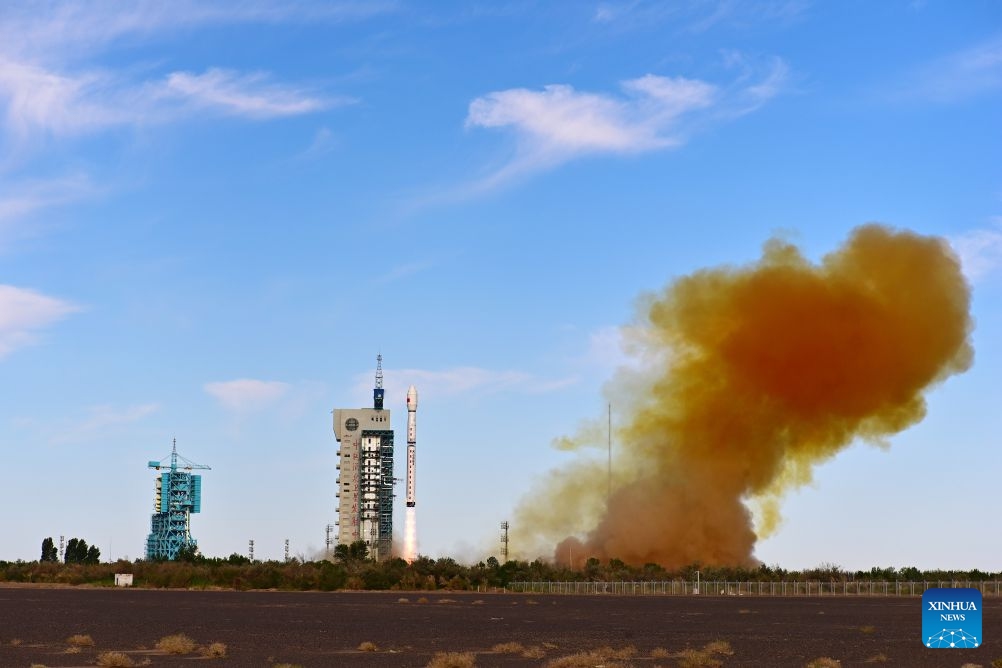
China on Thursday sent a new marine satellite into orbit from the Jiuquan Satellite Launch Center in northwest China.

A Long March-4B rocket carrying the Haiyang-2E satellite took off at 7:46 a.m. (Beijing Time), sending the satellite into the planned orbit.

The launch was the 654th by the Long March rocket series.

China's top diplomat meets candidate for next UN secretary-general Espinosa

Chinese Foreign Minister Wang Yi met with Maria Fernanda Espinosa, former president of the United Nations General Assembly (UNGA) and a candidate for the next United Nations secretary-general, on Tuesday in Beijing.

Espinosa, also former foreign minister of Ecuador, said the world today urgently needs a UN that can prevent crises more promptly, coordinate and cooperate more closely, and take actions more efficiently.

Stressing that she firmly adheres to the one-China principle, Espinosa said she supports the four global initiatives proposed by China, appreciates China's long-term commitment to multilateralism, defense of the purposes and principles of the UN Charter, and safeguarding the common interests of developing countries.

Espinosa said she is ready to work with the international community, including China, to advance the three pillars of the UN, which are peace and security, development and human rights, while consolidating its prestige.

Wang, also a member of the Political Bureau of the Communist Party of China Central Committee, said facing the complex and severe international situation, the UN needs to invigorate itself, enhance its operational capacity, play its due role and live up to the expectations of all parties.

China has always been a firm supporter of the cause of the UN and multilateralism, he added.

The selection of the next UN secretary-general is not only related to the future direction of UN reform and development, but also to the vital interests of member states, Wang said, adding that any candidate must abide by the Charter, be competent, impartial and upright, and perform duties with responsibility.

As a permanent member of the UN Security Council and an important member of the Global South, China will participate in the selection process with a responsible attitude and support the UN in regaining its authority and vitality, Wang said.